Core Capabilities
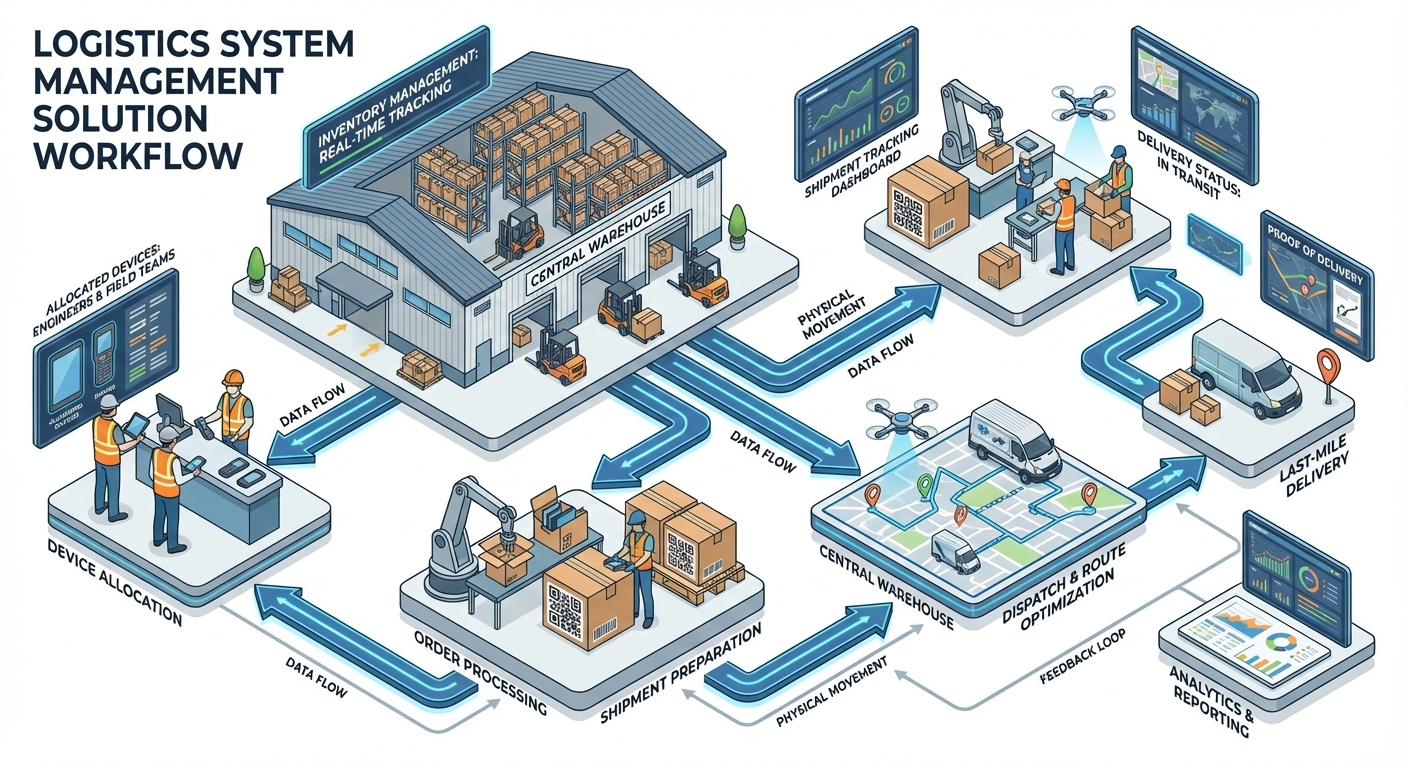
End-to-end device lifecycle management and logistics tracking.
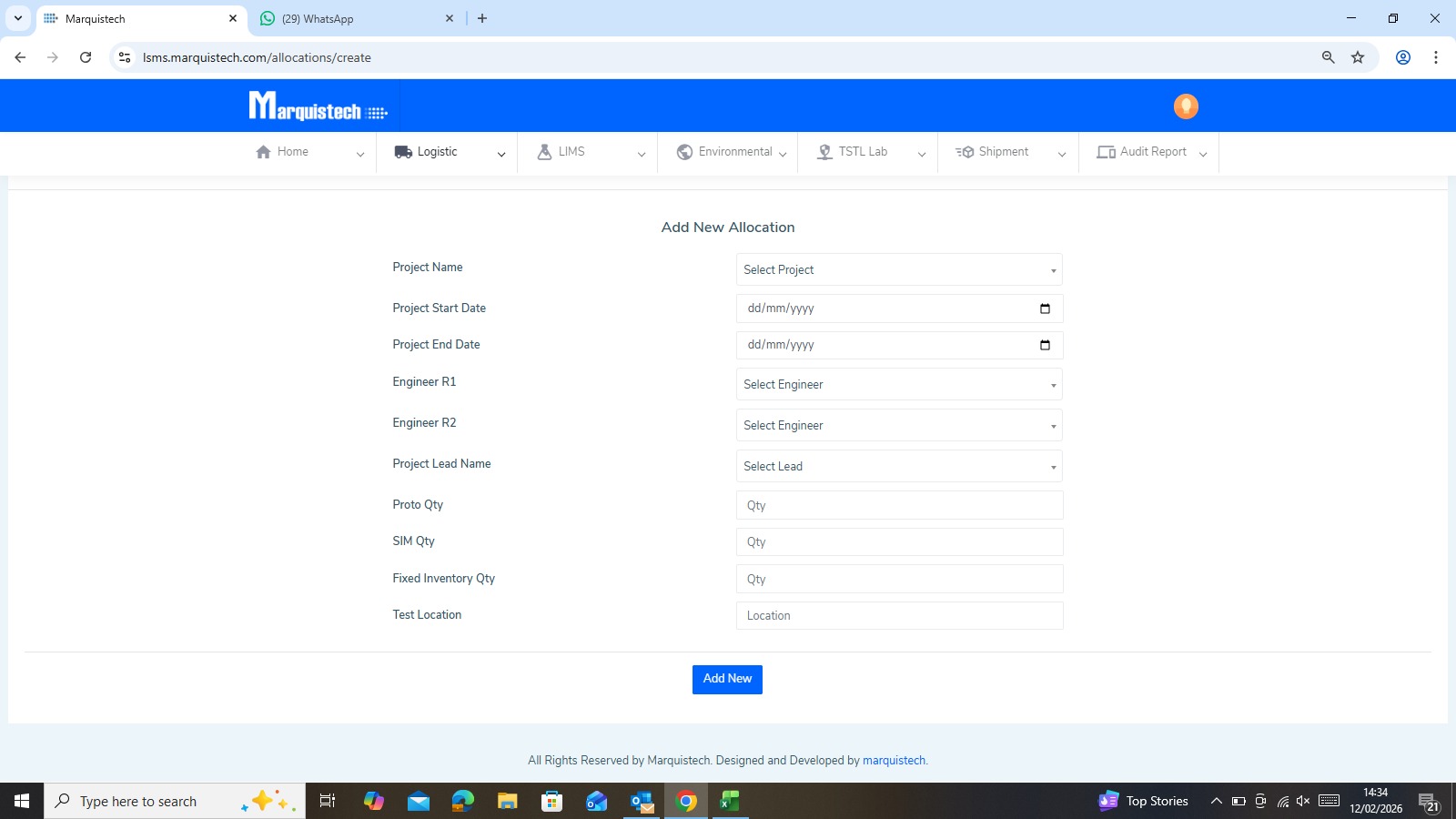
Device Allocation & Distribution
The LSMS tool plays a critical role in ensuring that devices are allocated and distributed efficiently to engineers.
By leveraging this tool, the organization can streamline the process of assigning hardware resources, ensuring that every engineer receives the required device without delays.
This structured allocation process minimizes manual errors, enhances accountability, and ensures that resources are utilized optimally across teams.
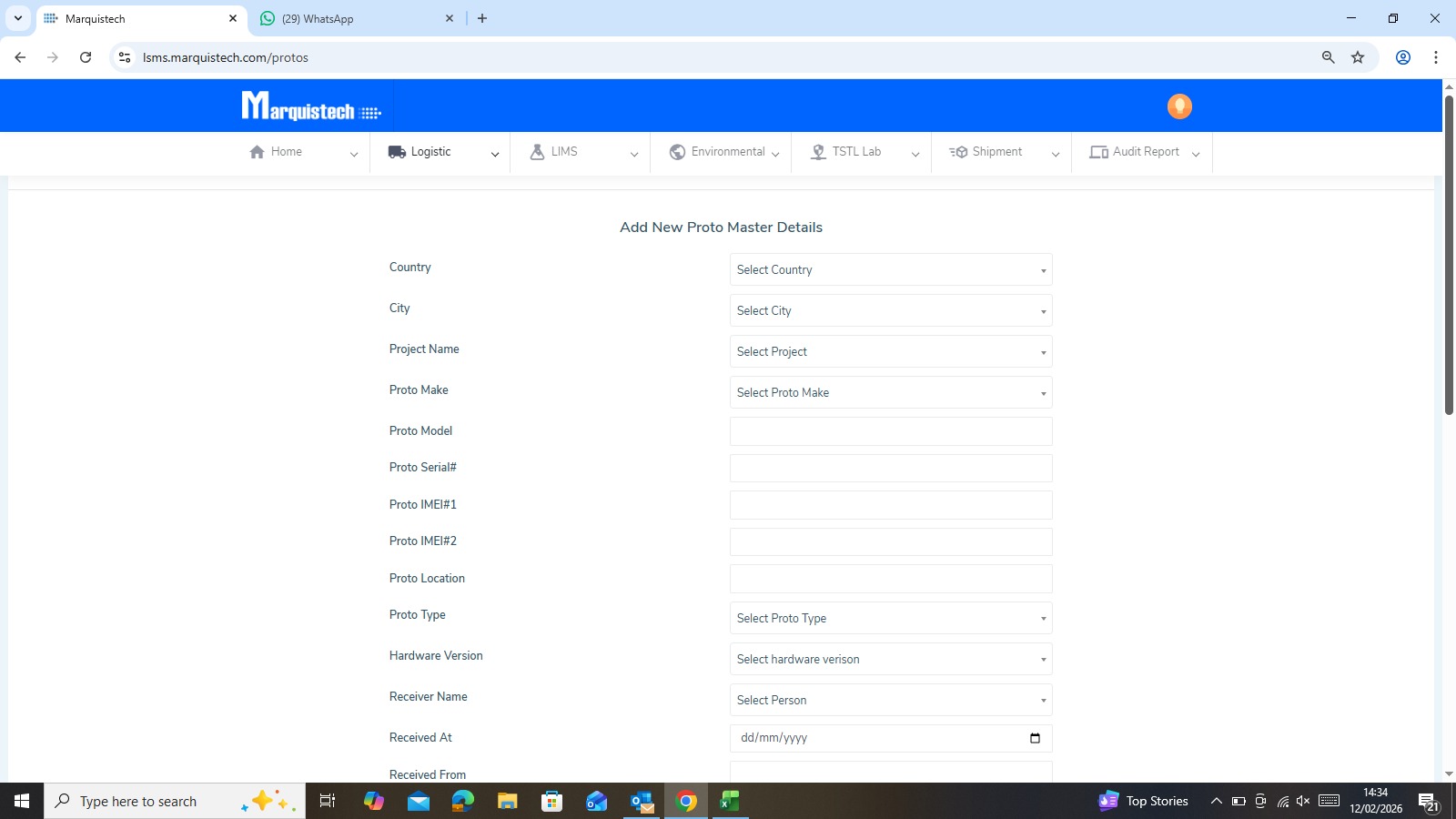
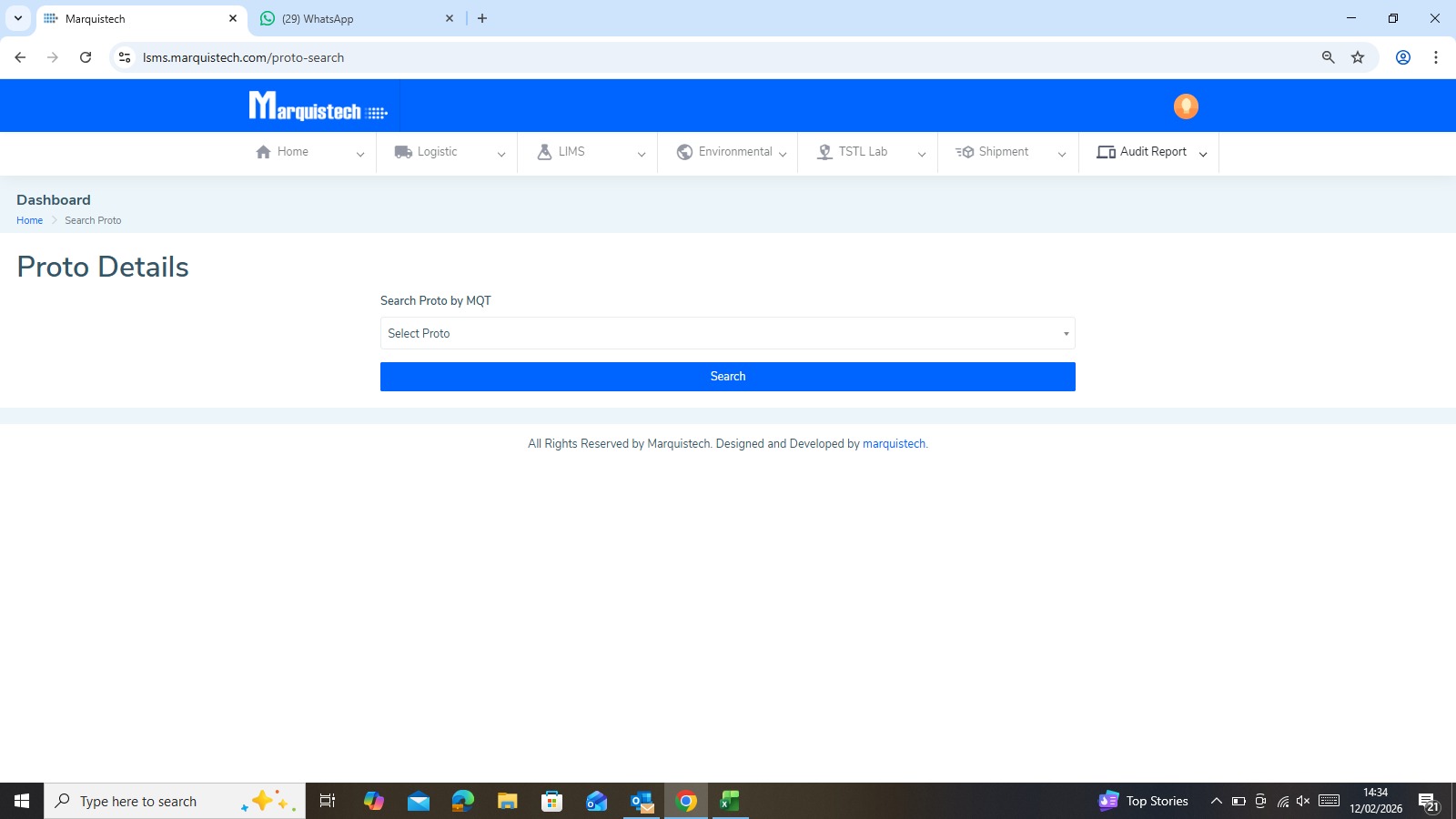
Comprehensive Device Tracking
One of the key strengths of the LSMS tool is its ability to maintain detailed records of all devices within the system.
It enables tracking of essential information such as device specifications, ownership, usage history, and current status.
This centralized tracking mechanism ensures transparency, reduces the risk of misplacement, and provides management with real-time visibility into the organization's hardware inventory.
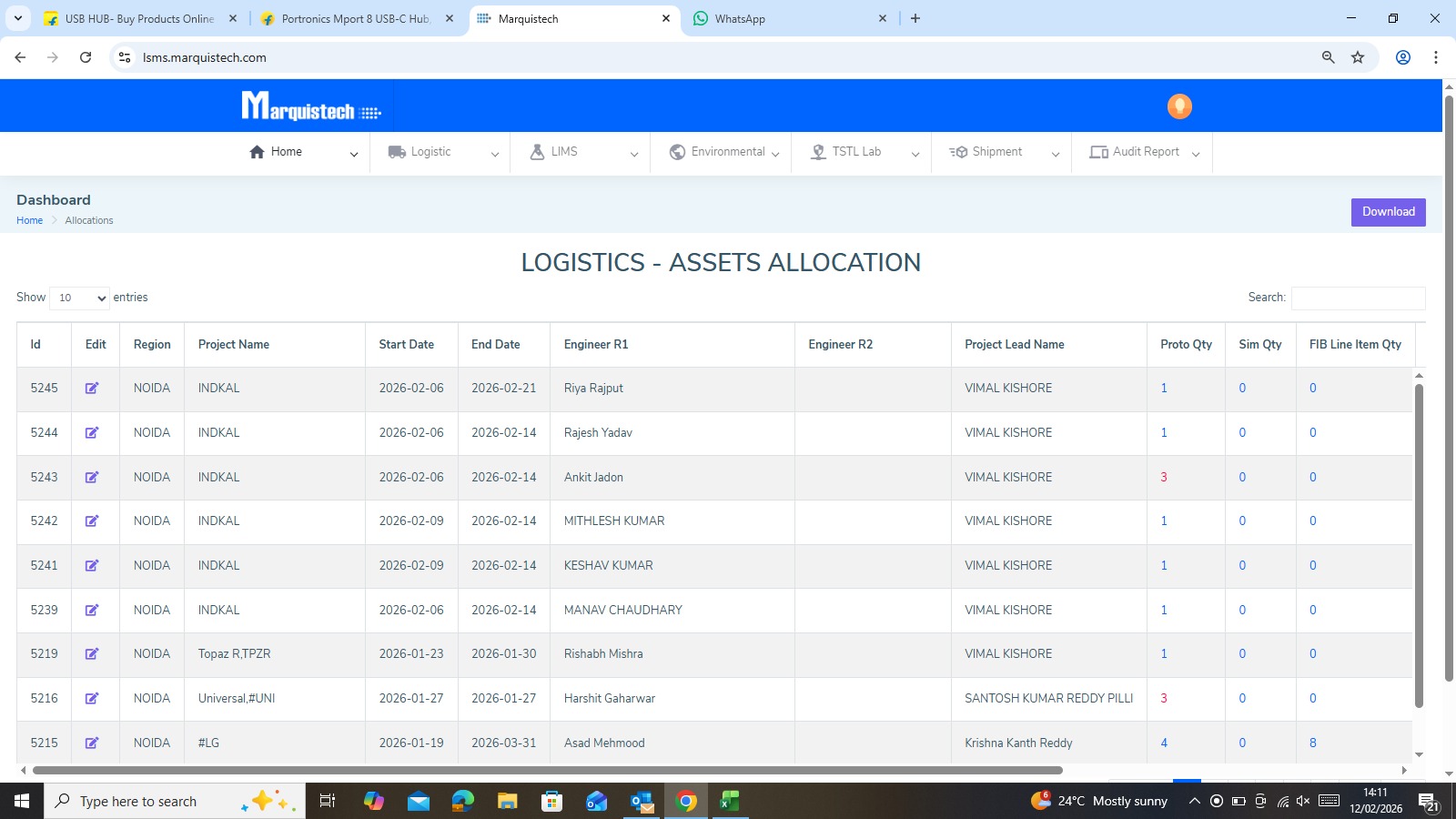
Laptop Allocation via Logistic Integration
The LSMS tool is integrated with the logistics framework, which allows seamless allocation of laptops and other critical devices to engineers.
This integration ensures that the allocation process is not only efficient but also aligned with organizational policies and operational requirements.
Engineers benefit from timely access to the devices they need, while the logistics team can monitor and validate each allocation, ensuring compliance and proper documentation.
End-to-End Movement & Shipment Tracking
Beyond allocation, the LSMS tool provides robust functionality to track the movement of devices both within the organization and during external shipments.
It records the "in and out" flow of devices, ensuring that every transfer, whether internal or external, is logged and monitored.
This feature is particularly valuable for managing shipments, as it provides real-time updates on the status of devices in transit, reduces the risk of loss, and enhances overall supply chain visibility.
By maintaining a complete audit trail of device movements, the tool supports compliance, accountability, and operational efficiency.
LSMS Gallery